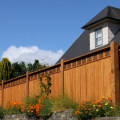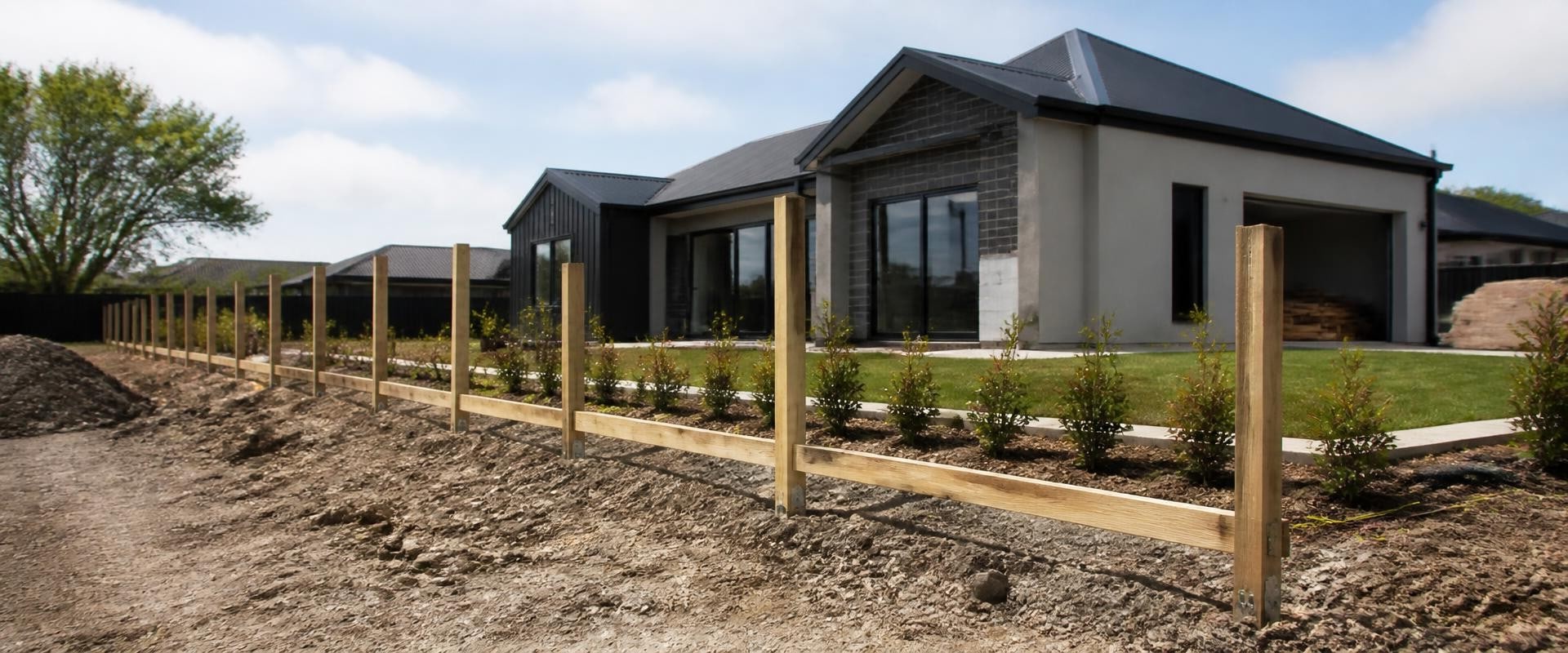
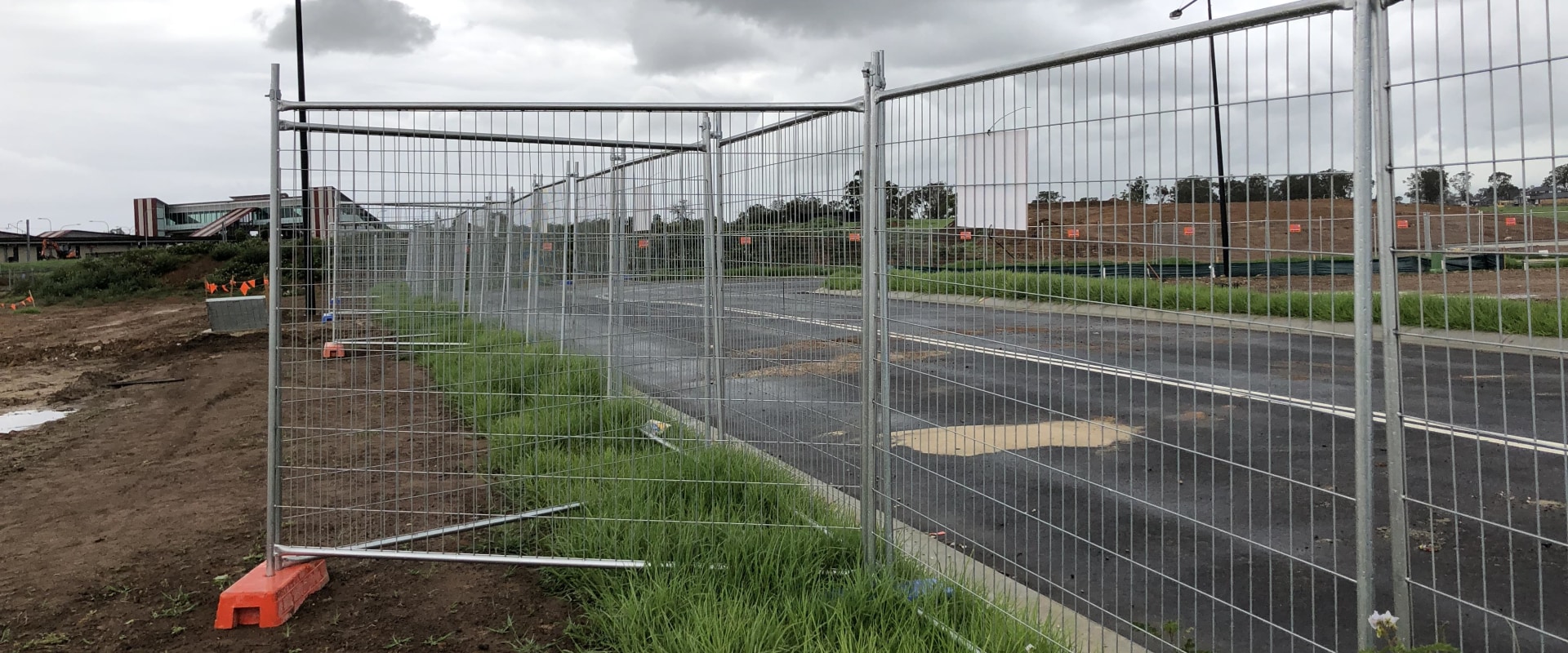
You have just built in Halswell, Wigram or Rolleston. The house is finished, and the section is bare dirt with a builder's temporary fence around it. The permanent fence is often the last thing anyone thinks about, yet it is the one job where a covenant, a council rule and a neighbour can all have a say.
The short version: read your land covenant before you choose a style, agree the boundary fences with your neighbours early, and decide who builds the fence before the landscaping goes in. Get those right and the fence itself is the easy part.
Who has a say over your fence?
| Who | What they decide | Where to check |
|---|---|---|
| Your land covenant | Height, how far back from the road, materials and colour; some developers must approve your plan first | Your title documents (your lawyer or conveyancer has a copy) |
| Your council | Fences on road boundaries and in front yards | The Christchurch District Plan or the Selwyn District Plan, residential zone |
| The Building Act 2004 | No building consent for a fence up to 2.5 metres high; a pool barrier always needs one | Your council's building team |
| The Fencing Act 1978 | Neighbours share the cost of an adequate boundary fence equally | A conversation with next door, then the fencing notice if you need it |
Does your covenant say what fence you can build?
Many new subdivisions around Christchurch carry land covenants on the title, and fences are one of the things they cover most often. A covenant can limit how high a front fence may be, require it to sit back from the road, rule out some materials, or set the colour of anything facing the street. Some developments ask you to send your fence plan to the developer for approval before you build.
The covenant sits with your title, so your lawyer or conveyancer will have a copy. Read the fencing clause before you get prices. A quote for a 1.8 metre paling fence along the street is no use if the covenant only allows 1.2 metres there, and a fence that breaks a covenant can lead to a complaint from the developer or a neighbour long after it is built.
Which council rules apply?
That depends on which side of the city boundary you have built. Halswell, Wigram and the other new suburbs inside the city follow the Christchurch District Plan. Rolleston, Lincoln and Prebbleton are in Selwyn District, which has its own plan and its own rules for fences on road boundaries. Both councils publish their plans online, and the rules that matter for a fence are usually in the residential zone standards for road boundaries and front yards.
The Building Act is the same everywhere: a fence up to 2.5 metres high does not need a building consent. The exception is a pool barrier, which always needs one, so tell whoever builds your fence early if a pool or a spa is part of the plan.
Who pays for the fence between you and the neighbours?
On a new subdivision your neighbours are often building at the same time as you, which makes it a good moment to sort the boundary fences together. Under the Fencing Act 1978, neighbours share the cost of an adequate boundary fence equally. If you want more than adequate, such as a taller fence or a dearer material, you may have to cover the difference yourself.
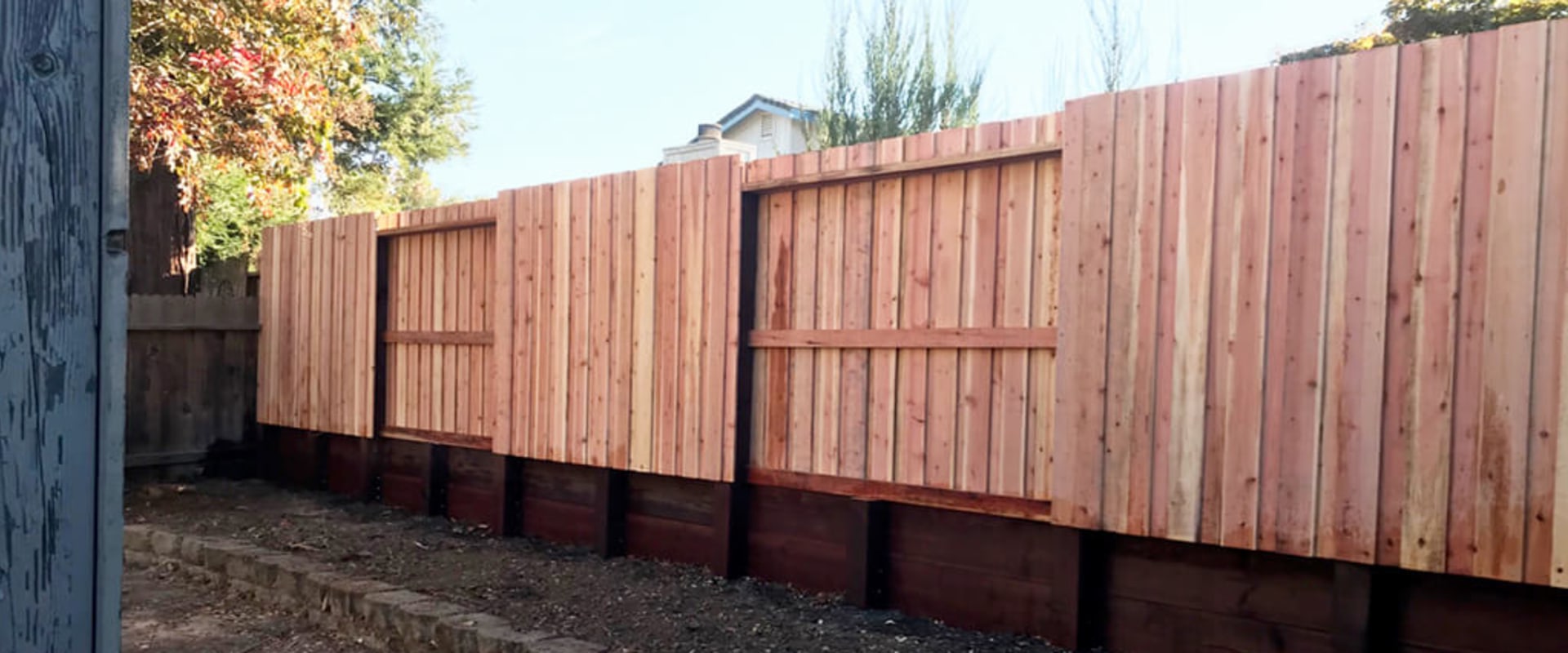
Most neighbours agree over a conversation. If one will not, the Act sets out a formal fencing notice, and the neighbour then has 21 days to object. Either way, put what you agree in writing: the height, the material, who builds it and how the cost is split.
When should the fence go in?
The usual order on a new section is driveway and paths first, then fences, then lawn and planting. Fencing after the landscaping means post holes dug through new topsoil and planting, and a fence crew working around a lawn that has only just come up.
Before any post hole is dug, find out what is under the boundary. New subdivisions run water, power, fibre and stormwater along or near boundaries, and the ground has often been filled and freshly worked. beforeUdig is a free New Zealand service that sends you the plans of underground services for your address, and a good fencer will ask for them anyway.
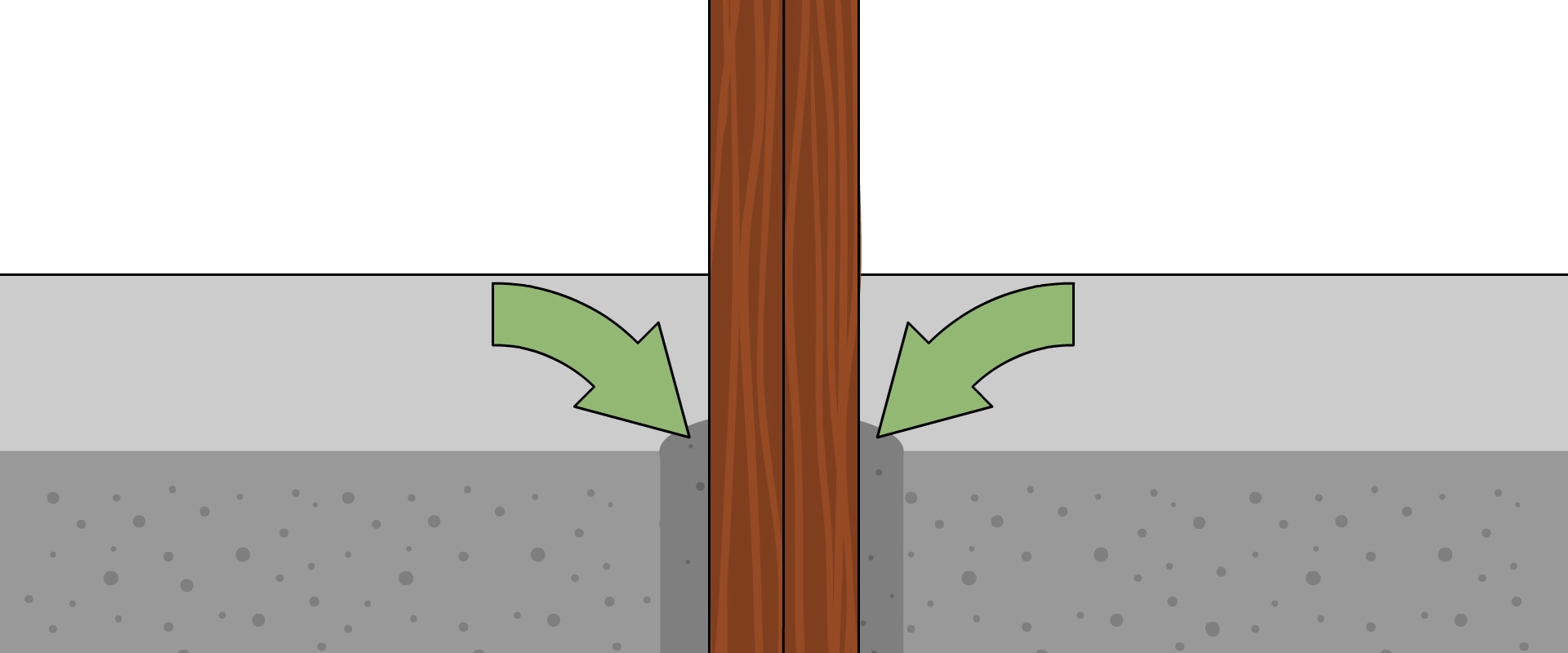
Christchurch weather matters too. The nor'wester comes through hot, dry and strong, and hard frosts follow in winter, so timber can dry out and move more than it would somewhere milder. For more on choosing materials that cope, see our guide to durable fencing for Christchurch's climate.
Your builder or a separate fencer?
If your house builder also does fencing, there is a lot to be said for keeping it with them. They already know the section, where the services run and what the finished levels are, and they can fit the fence around the driveway, the deck and the handover date instead of you lining up another trade.
Some Christchurch builders work exactly that way. Dodge Construction Services, for example, builds new homes, decks and renovations around Christchurch and does fencing as well, so the deck, the fence and the gate can be planned as one job.
A dedicated fencing contractor is the better choice for long runs of rural or lifestyle fencing, or when your builder is booked out. Either way, ask for the quote to spell out the post size and depth, the material, the gates, and whether clearing the site afterwards is included.
A quick checklist before you sign
- Read the fencing clause in your land covenant.
- Check your council's rules for road boundary fences.
- Agree each boundary fence with the neighbour, in writing.
- Get the underground service plans from beforeUdig.
- Book the fence after the driveway and before the lawn.
- Make sure the quote lists the posts, materials, gates and clean-up.
Sort those out first and the fence on your new build should go up once, in the right place, and stay clear of any argument with the developer, the council or the people next door.